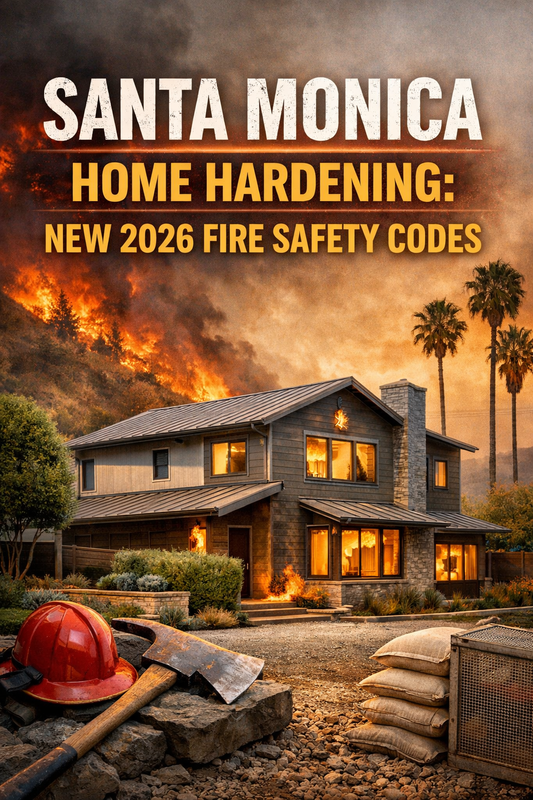
Living in Santa Monica offers an unique mix of coastal appeal and mountain proximity, yet this geographical luxury comes with a specific obligation pertaining to environmental security. As we relocate through 2026, the conversation around residential building has actually moved substantially towards strength. The neighborhood landscape, characterized by the completely dry Santa Ana winds and the dense plants of the neighboring canyons, needs a positive approach to building security. Recent updates to security criteria currently emphasize a principle called home solidifying, which concentrates on making the physical structure of a home much less at risk to ignition from flying embers. These cinders can usually traverse a mile from the front lines of a fire, making every home in the region a prospective target regardless of its direct distance to brush.
Recognizing the Change in 2026 Residential Requirements
The most recent updates to the fire codes represent an extensive initiative to bridge the gap between conventional structure techniques and contemporary ecological needs. For home owners in Santa Monica, these changes are not simply recommendations however are ending up being integrated right into the allowing procedure for new builds and significant renovations. Among the main focuses is the establishment of what specialists call Area Absolutely no. This is an ember immune area that prolongs 5 feet from the very side of your home. In the past, many citizens chosen lush landscape design right as much as their structure, however the brand-new 2026 standards focus on noncombustible products like crushed rock, stone, or pavers in this immediate perimeter. By eliminating natural compost and woody plants from this 5 foot barrier, you substantially lower the possibility of a ground fire reaching the siding or vents of your home.
The Relevance of Material Option for Exterior Surfaces
When it involves the real shell of your home, the 2026 codes are very certain concerning the kinds of products that give the highest level of defense. Many older homes in the area feature wood house siding or roof shingles which, while visually pleasing, supply really little resistance to intense heat. The approach building fire resistant homes includes making use of fiber cement home siding, specialized stucco, or stonework. These materials do not simply slow down the spread of flames; they protect against the exterior walls from igniting to begin with. The goal is to produce a constant fireproof obstacle from the foundation all the way as much as the roofline. This transition is specifically vital for residential or commercial properties that remain on the edge of the Santa Monica Mountains where the surface can channel warm and wind directly toward domestic roads.
Enhancing the Most Vulnerable Entrance Factors
Vents and windows are often the weakest links in a home's defense system. During a wind driven event, coal are forced into attic rooms through conventional vents, where they can spark insulation and structural beams from the inside out. The new 2026 policies require the setup of specialized coal immune vents that feature a much finer mesh or inner baffles created to block small triggers while still enabling appropriate air movement. Similarly, home window demands have actually been upgraded to mandate double paned solidified glass. Tempered glass is substantially extra resistant to the thermal shock brought on by extreme convected heat. If a criterion window splits or shatters, it leaves the interior of the home entirely subjected, yet solidified glass keeps undamaged a lot longer, providing a critical window of safety for the structure.
Lessons from Regional Recovery Efforts
Taking a look at exactly how other neighboring areas have actually managed current environmental difficulties provides a clear roadmap for Santa Monica citizens. For instance, the continuous Palisades fire rebuilding procedure has highlighted the efficiency of these modern-day solidifying strategies. Residences that were constructed or retrofitted with fireproof eaves and boxed-in soffits revealed a much greater survival price contrasted to those with traditional open rafter construction. When eaves read more here are boxed in, it prevents hot gases and embers from obtaining entraped beneath the roof covering overhang. This simple building change is now a hallmark of responsible building and construction in the Westside location. It reflects a growing understanding that structure for appeal should go hand in hand with structure for durability and security in the California climate.
Enhancing Roof Covering Integrity and Gutter Security
The roofing is the largest area on any home and is the most likely area for embers to land and build up. The 2026 codes purely impose using Class A rated roof covering products such as slate, ceramic tile, or premium quality asphalt composition roof shingles. However, the product itself is only part of the equation. Homeowners must likewise make sure that the gaps in between the roofing deck and the covering are sealed to stop coal from moving below the floor tiles. Rain gutters are one more area of problem, as they frequently gather dry fallen leaves and debris that function as kindling. Mounting noncombustible steel gutter guards is currently extremely recommended to keep these networks clear. When a fire neighbors, a clean seamless gutter system makes sure that a stray spark doesn't turn into a localized fire right beside your roofline.
The Role of Expert Know-how in Modern Construction
Navigating these new laws can be complex, particularly when trying to balance modern looks with rigorous safety and security conformity. Many citizens locate that partnering with a luxury home building company is the most reliable method to ensure their building fulfills every 2026 standard without sacrificing the high end style they anticipate. Specialist building contractors who specialize in the Santa Monica and Westside markets are well-versed in the nuances of the local community codes and the details obstacles posed by the coastal atmosphere. They can incorporate fire immune attributes into the initial design stage, such as choosing metal mounted home windows or stone exterior accents that look attractive while serving an essential protective feature. This knowledge is important when managing the intricate allowing and inspection processes needed for seaside building today.
Shielding Device Structures and Boundary Fence
The brand-new safety requirements additionally expand past the main house to consist of decks, fencings, and outbuildings. Typical wooden fences commonly function as a fuse, leading a fire directly from the perimeter of a property to the major structure. To mitigate this danger, the 2026 codes recommend that the very first five to eight feet of any fence attached to a home ought to be constructed from noncombustible products like steel or masonry. Decks are also being looked at, with a push towards using ignition immune composite materials or heavy wood that is much less likely to ignite from below. Confining the space under a deck with fine steel mesh can stop the accumulation of combustible particles and embers, better hardening the building against a moving fire front.
Future Proofing Your Santa Monica Investment
Purchasing these upgrades is not nearly following the law; it is about future proofing your home against the changing climate and the developing insurance policy landscape. Several insurance suppliers are now taking a look at home solidifying procedures as a requirement for protection or as a method to figure out premium prices. By executing these 2026 fire safety and security codes currently, you are essentially safeguarding the long-term value of your Santa Monica realty. The assurance that includes knowing your home is constructed to the highest possible standard of strength is a considerable advantage in a region where ecological understanding becomes part of daily life. These aggressive steps make certain that your building remains a safe house for years to find.
We welcome you to follow our blog and return on a regular basis for future updates on local building fads and safety policies in the Santa Monica location. Would certainly you like me to create a summary of the certain 2026 product requirements for different home zones pointed out in the write-up?